
Dognet feed for Shopify
Dognet is the affiliate network of Slovakia and Czechia: publishers import your products into their own sites and promote them for a commission. Dognet has no feed format of its own. Its integration guide asks for an XML feed in the same structure as Heureka or Google Shopping. Feedflock turns your Shopify catalog into exactly that: a Heureka-structure XML trimmed to what an affiliate network can use, hosted on a stable URL and regenerated as often as every hour.
Setup
Live in five steps
From a bare Shopify store to a listed offer: the whole setup fits into one coffee break.
Start the integration with Dognet
Becoming a Dognet advertiser is a guided process: an entry form, a contract, two JavaScript tracking codes on your shop, at least one set of banners, a logo and a campaign description. The product XML feed is one step of that integration.
Install Feedflock
Add Feedflock from the Shopify App Store. It reads your products, variants, stock and images directly through the Shopify API.
Pick the Dognet template
Create a new feed and choose Dognet. You get the Heureka structure with ITEM_ID, PRODUCTNAME, URL, IMGURL and PRICE_VAT mapped from the start: one SHOPITEM per variant, variants joined by ITEMGROUP_ID, size and colour as PARAM blocks.
Fill what only you can decide
The VAT rate ships empty, because the rate depends on your goods and country. The manufacturer part number reads a metafield, and GIFT and extra images wait for your mapping. Most of all, check your categories: publishers pick products by CATEGORYTEXT.
Send the feed URL to Dognet
Dognet has no self-service feed screen. You hand the hosted URL to Dognet during the integration and Dognet provides it to its publishers. Open the URL in a browser without a session first: it is read by third parties, so it must be public and stay where it is.
https://feedflock.appfleece.com/f/demo-dognet/dognet.xml
Catch feed issues before Dognet does.
Before every generation Feedflock checks that every field the channel requires is filled, and, on templates verified against the channel's own spec, that the values fit its rules. Most problems are fixed with one click, without editing products in Shopify.
The feed
What the channel receives
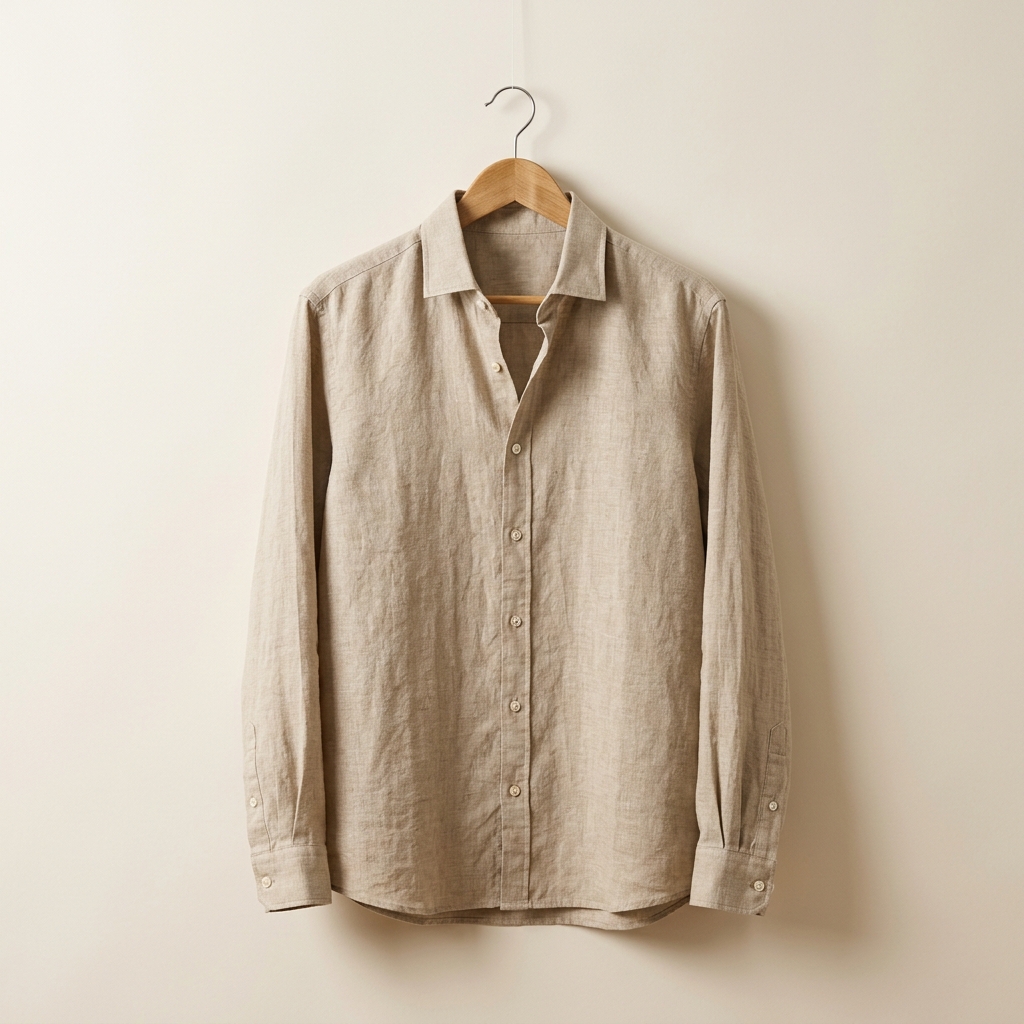
<SHOPITEM> <ITEM_ID>SKU-2048</ITEM_ID> <ITEMGROUP_ID>8236409175213</ITEMGROUP_ID> <PRODUCTNAME>Ľanová košeľa Sand M</PRODUCTNAME> <PRODUCT>Ľanová košeľa Sand</PRODUCT> <DESCRIPTION><![CDATA[Vzdušná ľanová košeľa s voľným strihom.]]></DESCRIPTION> <URL>https://obchod.example/products/lanova-kosela-sand?variant=44718293450817</URL> <IMGURL>https://cdn.obchod.example/img/lanova-kosela-sand.jpg</IMGURL> <PRICE_VAT>49.00</PRICE_VAT> <MANUFACTURER>Nordlin</MANUFACTURER> <EAN>8594000123453</EAN> <CATEGORYTEXT>Apparel & Accessories > Clothing > Clothing Tops > Shirts</CATEGORYTEXT> <DELIVERY_DATE>0</DELIVERY_DATE> <PARAM> <PARAM_NAME>Veľkosť</PARAM_NAME> <VAL>M</VAL> </PARAM> </SHOPITEM>
Nordlin
Linen shirt Sand
49 €
Feed fields
ITEM_ID
SKU-2048
ITEMGROUP_ID
8236409175213
PRODUCTNAME
Ľanová košeľa Sand M
PRODUCT
Ľanová košeľa Sand
DESCRIPTION
Vzdušná ľanová košeľa s voľným strihom.
URL
https://obchod.example/products/lanova-kosela-sand?variant=44718293450817
PRICE_VAT
49.00
MANUFACTURER
Nordlin
EAN
8594000123453
CATEGORYTEXT
Apparel & Accessories › Clothing › Clothing Tops › Shirts
DELIVERY_DATE
In stock
PARAM_NAME
Veľkosť
VAL
M
The channel
Publishers sell for you
Dognet is an affiliate network: content sites, catalogues and comparison pages import your products and send you customers for a commission. Nothing is sold on Dognet itself. The feed is how your catalog reaches those partners.
A feed structure you already know
Dognet never invented its own format. Its integration guide says it most often uses feeds in the same structure as Heureka or Google Shopping, the two formats a Czech or Slovak shop is most likely to run already.
Categories decide who picks you up
Dognet's own publisher tutorial shows partners filtering advertiser feeds by CATEGORYTEXT, by an exact path or by one level of it. Honest, deep category paths are how a niche site finds exactly your products.
The feed
- The Heureka structure Dognet asks for: a SHOP root, one SHOPITEM per variant, 17 elements, every one of them from Heureka's own vocabulary
- Trimmed for an affiliate network: no HEUREKA_CPC bids, no Heureka voucher, warranty or accessory elements, no carrier blocks
- PRICE_VAT carries the final price your customer pays, including VAT, which is what Dognet confirmed it wants
- Product URLs stay plain and variant-pinned: Dognet's affiliate link adds the tracking during the redirect
- Variants are joined by ITEMGROUP_ID, so a publisher can import every size or collapse them into one product
- PRODUCTNAME pairs product and variant by default, with size and colour also sent as PARAM blocks
- Sold-out variants stay in the feed with a long delivery date instead of vanishing from a partner's imported catalogue
- A stable public URL, regenerated as often as every hour, with fetch tracking that shows when the feed was last downloaded
Deep dive
No Dognet spec, one sentence instead
- Dognet publishes no element list, no required set and no limits of its own
- Its integration guide names two accepted structures: Heureka and Google Shopping
- The template emits 17 elements, all from Heureka's vocabulary, under a
SHOProot - Heureka-only elements such as
HEUREKA_CPCare deliberately dropped
Technical details
Most channels hand you a specification. Dognet hands you a sentence: in the XML feed step of its advertiser integration guide it says, in Slovak, Czech and English alike, that it most often uses feeds in the same structure as Heureka or Google Shopping. There is no Dognet field list, no required set and no value vocabulary anywhere on its site.
Feedflock's Dognet template is therefore the Heureka structure, trimmed to what an affiliate network can use. The elements that only mean something to Heureka itself are gone: the HEUREKA_CPC bid, the voucher and extended-warranty elements, the accessory links and the carrier blocks. Five fields are required by the template (ITEM_ID, PRODUCTNAME, URL, IMGURL and PRICE_VAT) because without them an offer cannot be identified, linked, shown or priced. Dognet itself marks nothing as required.
How the feed reaches Dognet's publishers
- You host the feed at a
URLand give thatURLto Dognet - Dognet provides the
URLto its publishers, who import it into their own sites - No upload, no
SFTP, noAPI, and no published fetch cadence - The
URLmust stay stable and public: third parties read it
Technical details
We asked Dognet how the file gets to them, and the answer is the simplest one: the merchant sends Dognet a URL of the feed, and Dognet provides it to publishers. That is exactly what Feedflock produces. There is no upload step and no API, and Dognet states no fetch cadence of its own, because the publishers importing your products do the fetching on their own schedules.
Two practical consequences follow. The URL is handed to third parties, so it has to stay public and stay put: a feed behind a login is no use to anyone. And because any partner may read it at any time, freshness matters at every hour of the day. Feedflock regenerates the feed as often as every hour, so whoever fetches it reads current prices and stock.
Price and URL: what Dognet settled
PRICE_VATis the final price for the customer, includingVAT- The net price and the
VATrate are optional extras;VATships empty by default - No
UTMtags in the productURL: the affiliate link adds them during the redirect - A pre-discount price mapping exists only for merchants whose account manager asks for it
Technical details
Dognet's integration guide mentions a preferred separate feed with its UTM tags in the URL and the pre-discount product price, which contradicts the Heureka structure it accepts. So we asked. Dognet's answer on price: the feed should state the final price of the product for the shop's customer, the price with VAT, and the net price or the VAT rate may be added only as optional extras. PRICE_VAT therefore carries the price you actually charge.
The answer on tracking was just as clear: no UTM in the feed, because the affiliate link adds it during the redirect. The URL element stays the plain storefront address pinned to the variant, with nothing to maintain when campaigns change. The VAT element is in the template but ships empty, because inventing a rate would be a tax claim made on your behalf. Map 20 or 21 once and it is done.
Variants, names, stock and categories
- One
SHOPITEMper variant, joined byITEMGROUP_ID PRODUCTNAMEcarries the variant; size and colour also go out asPARAMblocksDELIVERY_DATEis 0 only when stock is on hand or untracked, otherwise 30CATEGORYTEXTis your own category path, and the element publishers filter on
Technical details
Dognet's own publisher tutorial works through real advertiser feeds, and it shows what partners do with yours. They choose between ITEM_ID and ITEMGROUP_ID as the import key, depending on whether they want every size as its own product or one product per group, so both are filled by default. The tutorial also calls out product names made of nothing but a model code as unusable for a customer, which is why PRODUCTNAME defaults to the title with its variant, and the size and colour travel separately as PARAM blocks.
Availability is said the Heureka way, through DELIVERY_DATE: 0 means the variant is on hand (or you do not track its stock), and a backordered or sold-out variant goes out with 30 days. Unlike on Heureka, sold-out variants are not removed: a partner who already imported the product is better served by a row that says unavailable than by one that disappears. And CATEGORYTEXT deserves real care, because the tutorial's filters run on it. A catalog categorised as just "All products" cannot be sliced by a partner at all.
The takeaway
One URL, an hourly refresh and an XML in the structure Dognet actually asks for: the final price with VAT, plain links the affiliate redirect takes care of, variants grouped and named so partners can import them cleanly. Your Shopify catalog stays the single source of truth for every publisher in the network.
Claude · ChatGPT
Or set up your Dognet feed in chat
Connect Feedflock to Claude or ChatGPT and ask. It creates the feed as a draft, maps your categories to Dognet's own tree and tells you what is still missing. You approve every change.

 feedflock · mcp
Create a Dognet feed for my store and map my categories.
I'll create it as a draft and show you each change before I make it.
FAQ


Get on every marketplace that matters this afternoon.
Install free, connect your first feed in minutes, and let Feedflock keep it fresh and validated.